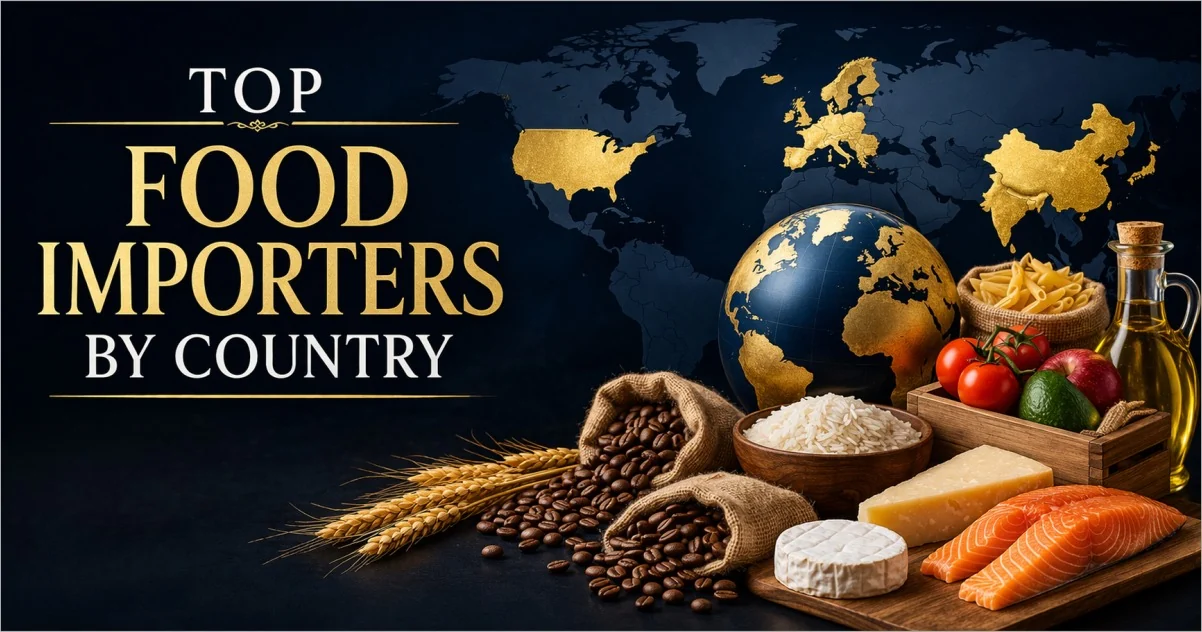
Finding the right food importer in the USA is one of the most important steps for any Indian food brand going global. The US is the world's largest food import market — but it's also one of the most competitive. This guide walks you through a structured, practical approach to identifying, qualifying, and reaching US food importers in 2026.
Why the USA is a Priority Market for Indian Food Brands
The United States imports over $200 billion worth of food and beverages annually. For Indian brands, the opportunity is particularly strong across several categories:
- Ethnic and South Asian foods — driven by a 4+ million strong Indian diaspora
- Spices, condiments, and ready-to-eat products — high repeat purchase categories
- Organic and clean-label snacks — growing mainstream appeal
- Private label manufacturing — US retailers actively seek quality Indian suppliers
- Specialty and health foods — turmeric, moringa, and ayurvedic-influenced products
That said, the sheer size of the US market means you need a focused strategy — not a generic importer list.
Step 1: Understand the Type of Buyer You Actually Need
Before you search for a single name, get clear on what kind of US partner you're looking for. These are very different buyer types:
Food Importer / Broker
Handles customs clearance, FDA registration, and wholesale distribution. Best for brands entering the US for the first time.
Distributor
Buys and resells to retailers or foodservice. Often category-specific — ethnic food distributors, health food distributors, etc.
Private Label Buyer
US retailers like Walmart, Costco, Trader Joe's source private label products globally. Requires strict compliance and volume capacity.
Specialty Retailer / Ethnic Store Chain
Direct-to-retail model for high-recognition brands. Works well for branded Indian food products in diaspora markets.
Step 2: Map the US Market by Channel and Category
The US food market is segmented. The same product may need a different buyer depending on where it's sold:
| Channel | Buyer Type | Example Products |
|---|---|---|
| Ethnic Grocery Chains | Ethnic food importers & distributors | Spices, lentils, flours, pickles, sweets |
| Mainstream Supermarkets | Category distributors or brokers | Premium snacks, organic products, sauces |
| Foodservice / HoReCa | Foodservice distributors | Bulk spices, ready-to-cook, condiments |
| E-Commerce (Amazon, etc.) | Direct or via importer | Packaged snacks, health products |
| Club / Warehouse Stores | Private label buyers | Large-format packaging, everyday items |
Step 3: Use Structured Buyer Discovery (Not Just Directories)
Most exporters start with trade directories — and that's where the problem begins. Directories give you names, not context. You don't know if a buyer is active, what categories they handle, or whether they're looking for new suppliers.
A better approach is to use a platform like CoTrade that allows you to search importers and distributors by market, product category, and buyer type — so you start with a relevant shortlist instead of a 500-name Excel file that takes months to clean.
When building your US buyer list, aim for 30–50 highly relevant contacts rather than 500 generic ones. Quality outreach to the right 30 buyers outperforms mass emails to 500 unqualified contacts every time.
Step 4: Get Compliance-Ready Before You Reach Out
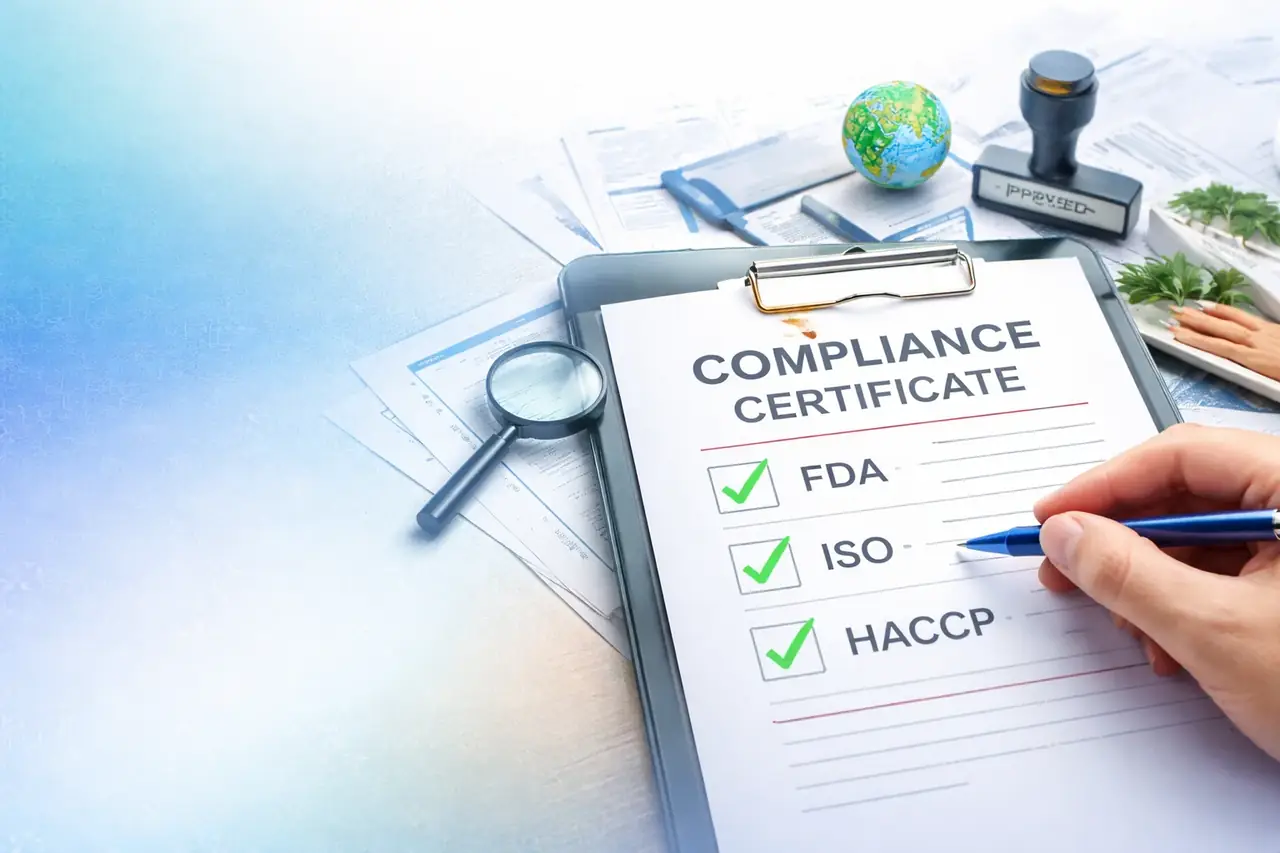
US food importers and buyers will evaluate your compliance readiness immediately. Before reaching out to any US buyer, ensure:
- FDA Facility Registration (required for all food exporters to the US)
- US-compliant labeling — Nutrition Facts panel, allergen declarations, correct net weight units
- FSSAI Export License from India
- Certificate of Origin and health certificate from APEDA or relevant authority
- Product photos with English labeling ready to share
- Pricing in USD with FOB/CIF terms clearly defined
If a US buyer finds your label non-compliant or your registration missing, they'll move on to the next supplier. Copago's compliance team can help you get export-ready before campaigns begin.
Step 5: Reach Out Proactively — Don't Wait for Inbound
Once you have a strong buyer shortlist and compliance readiness, the next step is outreach. Most exporters wait passively — they exhibit at trade shows, post on social media, and hope buyers find them. This approach is slow and expensive.
Direct outreach through WhatsApp and email — with personalized messaging, your product catalogue, and compliance credentials — is significantly more effective. Copago's direct marketing campaigns are built specifically for this: reaching verified US importers and distributors with structured outreach on your behalf.
Common Mistakes Indian Exporters Make When Targeting the USA
- Targeting too broadly: Sending the same message to every food importer regardless of category specialisation.
- Skipping compliance: Reaching out before FDA registration or US-compliant labels are in place.
- Pricing in INR: Always communicate pricing in USD with clear incoterms.
- No follow-up system: US buyers often need 4–6 touchpoints before responding. Have a follow-up schedule.
- Relying only on exhibitions: Fancy Fds, SIAL America, and Natural Products Expo West are useful, but expensive and infrequent. Combine them with year-round digital outreach.
The US FDA's Prior Notice requirement means all shipments must be notified to the FDA before arrival. Skipping this can result in detention or refusal of your shipment at the port — a costly mistake for first-time exporters.
Conclusion
Finding food importers in the USA is not just about having a list — it's about finding the right buyers, being compliant when you reach them, and communicating in a way that builds serious commercial interest. The exporters who succeed in the US market in 2026 are those who combine structured buyer discovery, compliance readiness, and consistent direct outreach into one coordinated system.
Copago helps Indian food brands do exactly that — from CoTrade buyer discovery to compliance support and direct marketing campaigns targeting verified US importers.
Ready to Find Global Buyers for Your Food Brand?
Talk to Copago's export specialists about buyer discovery, direct marketing campaigns, and compliance support — all in one place.